
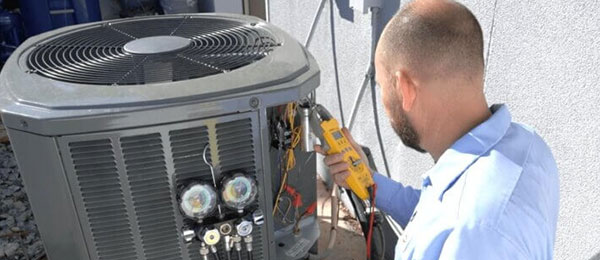

How Technicians Diagnose Evaporator Coil Problems in Coral Springs
The evaporator coil is where your air conditioner absorbs heat from indoor air. When that coil cannot transfer heat correctly, the symptoms can show up throughout the system: weak cooling, long run times, ice, water around the air handler, or poor humidity control.
Because several different problems can affect the coil, a technician does not diagnose an evaporator issue from one symptom alone. The goal is to determine whether the coil itself is dirty, frozen, leaking refrigerant, receiving inadequate airflow, or being affected by another system problem.
The First Clue Is Often a Change in Cooling Performance
If the AC used to cool evenly and now takes much longer to reach the thermostat setting, the indoor coil deserves attention. A dirty coil surface can reduce heat transfer, while a refrigerant or airflow problem can make the coil operate outside normal conditions.
A technician may compare return and supply temperatures, airflow, coil condition, and operating pressures to understand whether the system is actually removing heat as expected.
Ice on the Coil Is a Warning, Not a Diagnosis
A frozen evaporator coil can result from restricted airflow, a dirty filter, blower problems, low refrigerant, or other conditions. Ice itself does not identify the exact repair.
If you see frost or ice, turn cooling off and allow the system to thaw. Continuing to run it can restrict airflow even further and may produce a large amount of water when the ice melts.
Professional AC repair can then determine why the coil froze instead of simply treating the visible ice.
Dirt Can Act Like Insulation
The evaporator coil needs direct contact with moving indoor air. Dust and buildup on the coil surface can interfere with heat transfer and restrict airflow through the coil.
A technician can inspect whether cleaning is appropriate and whether the coil is accessible without damaging surrounding components. Evaporator coil cleaning should use methods suited to the equipment rather than harsh chemicals or excessive force.
Refrigerant Leaks Can Affect Coil Performance
If the refrigerant charge is low, the coil may not absorb heat normally and can become excessively cold. A leak in the evaporator coil itself is one possible cause, but fittings, lines, or other parts of the refrigerant circuit can also leak.
Refrigerant should not be added repeatedly without identifying why the charge is low. Leak diagnosis helps determine whether professional AC repair, coil replacement, or another option makes sense.
If your Coral Springs AC is icing, cooling poorly, or leaking water around the indoor unit, call Air Conditioning Coral Springs at 754-300-1502 for professional service.
Water Around the Air Handler Can Be Related
When a frozen coil thaws, the drainage system may have to handle more water than usual. A clogged condensate line or damaged drain pan can make the situation worse.
This is why a complete service call may include checking the coil, filter, blower, refrigerant circuit, drain line, pan, and float switch instead of focusing on only one component.
Routine Maintenance Can Catch Coil Problems Earlier
During air conditioning maintenance, a technician can inspect filter condition, airflow, coil cleanliness, drainage, and operating performance. That creates a chance to identify developing restrictions before they become a frozen-coil or no-cooling problem.
Restore Cooling by Fixing the Cause
Evaporator coil problems are best handled with diagnosis rather than guesswork. Cleaning may solve one system; another may need airflow repair, refrigerant leak service, electrical work, or a replacement component.
Call Air Conditioning Coral Springs at 754-300-1502 if your AC is showing coil-related symptoms. A professional evaluation can identify the actual cause and help restore dependable cooling.
Your FREE service call awaits! 754.300.1502
We are always ready to show our customers why we are the #1 choice in Air Conditioning service for all of Coral Springs!
Dial Now 754.300.1502.
Submit your review | |